
Northsider says no to being comfortable amidst Metro Surge
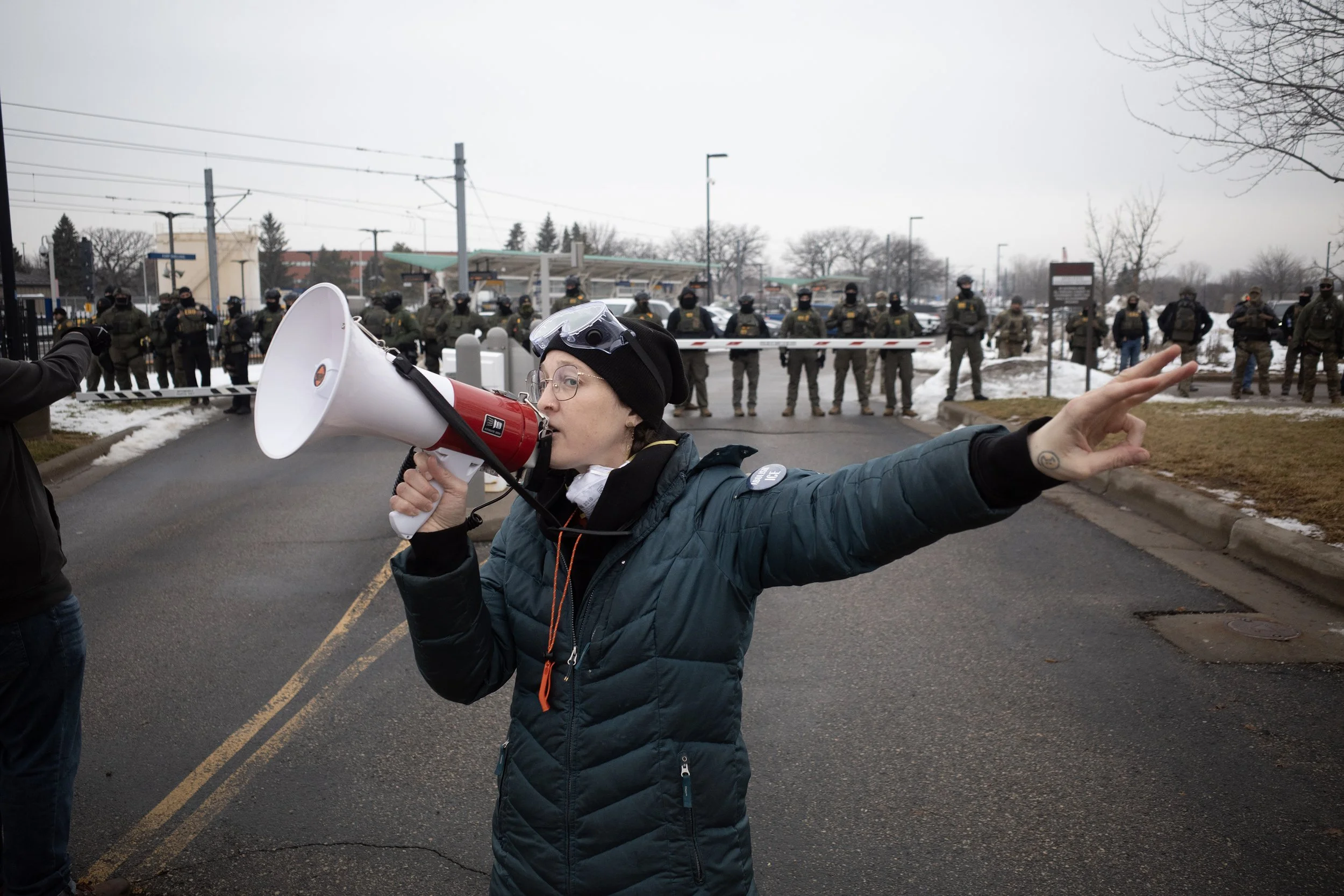
On Jan 8, Los went to the Whipple building to relieve protesters. Moments before her detainment, she held up three fingers, alluding to the three shots that killed Renee Good the day prior. Photo by Azhae’la Hanson
By Azhae’la Hanson, Reporter
When Raye Los decided to defend communities against ICE, she was maced, thrown to the ground, detained for several hours, and had ridden around for countless hours trying to spot ICE vehicles.
That was just the first month. And Los said she is not shy of pressing on.
“Others have been through worse,” she said.
She joined the growing number of everyday people acting as legal observers of ICE operations, defending communities during Trump's Operation Metro Surge in Minneapolis.
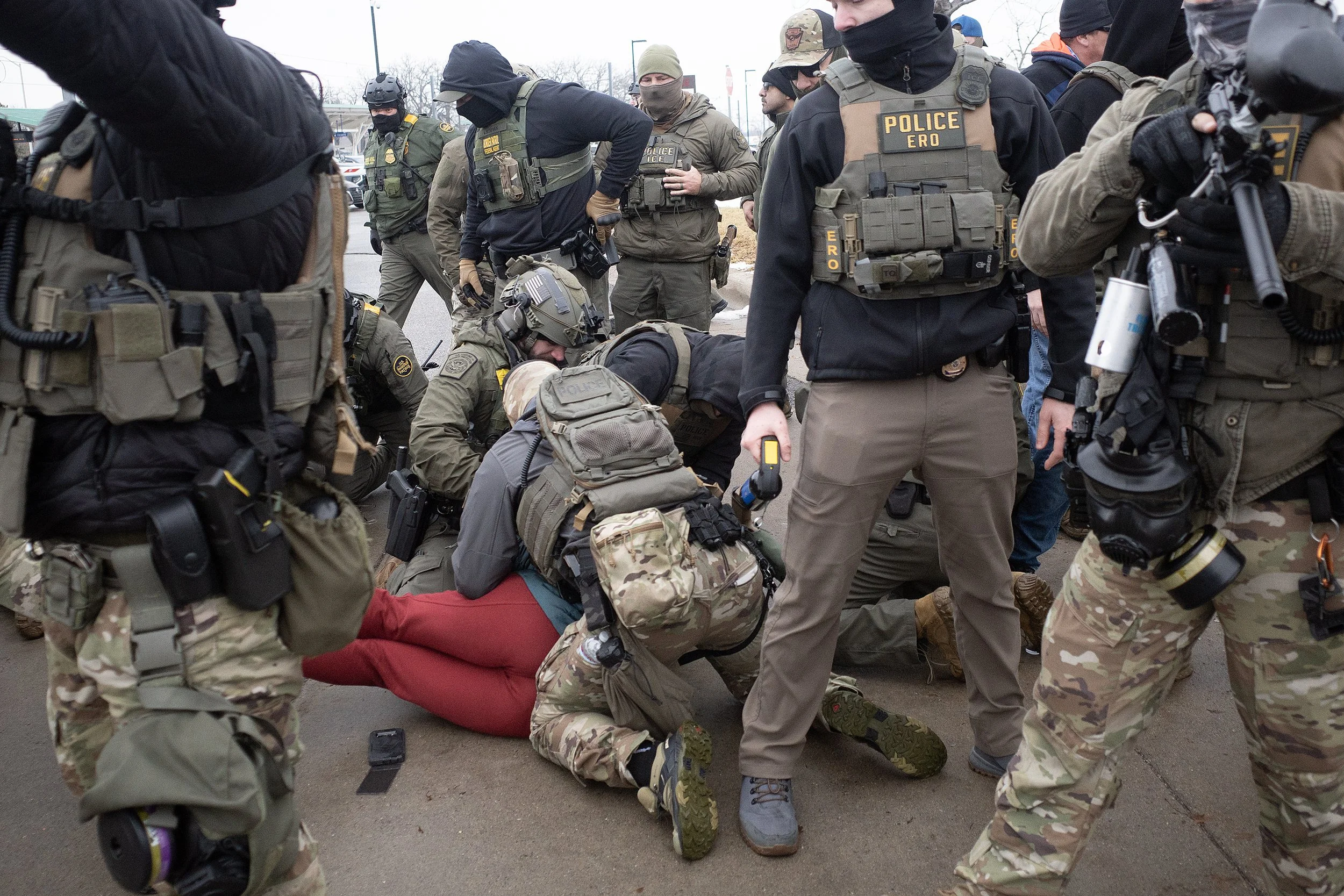
ICE agents detained Los shortly after she arrived to protest at the Bishop Henry Whipple Building peacefully. Several officers threw her to the ground and began restraining her. Other officers formed a circle around her. She was put in a vehicle and quickly taken to the Whipple Building, where she was detained for several hours. Photo by Azhae’la Hanson
In this role, Los spends her free time driving around North Minneapolis looking for ICE vehicles and reporting ICE movements on social media. She also attends protests to boost morale and offer hugs, snacks, and care to protesters.
On Jan. 8, Los responded to the need for people to come and help relieve peaceful protesters at the Bishop Henry Whipple Federal Building, the Minnesota federal office for the Department of Homeland Security (DHS).
Her lighthearted demeanor helped cut through tension in the crowd, which was amped by the shooting death of Renee Good the day prior. She grabbed her glasses, a bag of clementines, and her bullhorn to begin peacefully protesting.
She told the crowd that they have the right to make noise. Her skill, she says, is de-escalation.
“It’s violent to be silent, and it’s peaceful to be loud,” she broadcasted to the crowd.
She stood between protestors and ICE agents, redirecting some of the tension with positive chants.
“I always offer hugs, and they really calm people down,” Los said. “Sometimes you need to feel that someone’s got you.”
Five minutes after her arrival, she was detained by ICE.
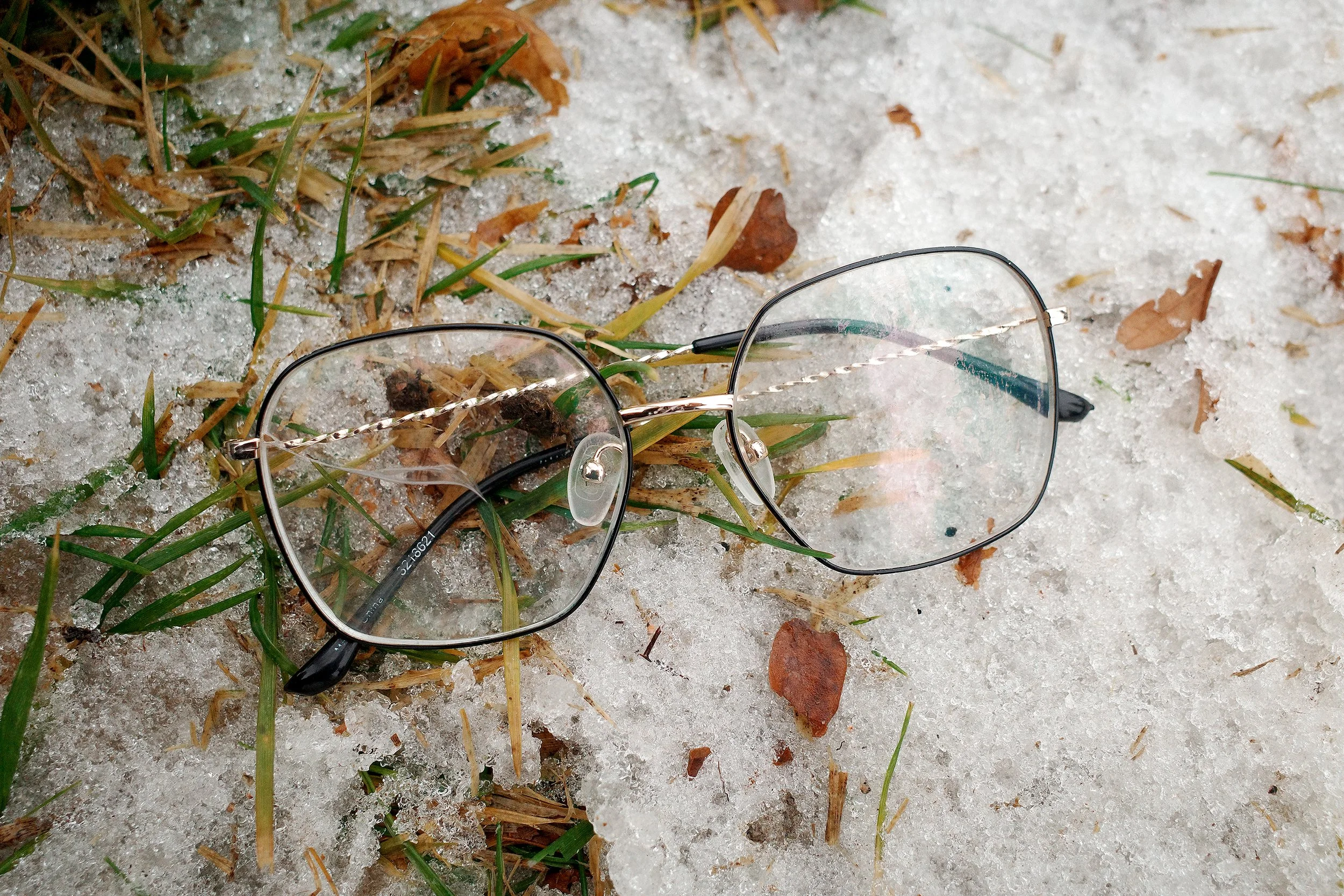
Los’s cracked glasses were left behind in the snow after her arrest. Photo by Azhae’la Hanson
While Los was on the bullhorn, ICE agents were pacing in place, shifting their weight back and forth, exchanging uneasy glances. Some had eyes locked on the feet of Los and other protestors that stood inches behind a self-determined line, fingers itching at the triggers of their non-lethal weapons.
The tension rose and overflowed when someone from the crowd got “too close”. Then ICE agents descended upon the crowd, firing pepperballs. Several agents had dogpiled on top of Los.
People yelled, “She didn’t do anything,” as Los was picked up off her feet and swiftly put into an ICE vehicle, which sped away. All that remained at the scene were her glasses, now cracked, and the snacks she had set aside for people.
She was detained at the Whipple Building for nearly seven hours, and before she invoked her right to remain silent, she asked an officer why she was being detained.
“They really make you feel like a criminal in there,” she recalled once back home. “I kept thinking, did I assault him? Did I push him?”
“You’re too loud,” she said an officer told her, and followed up with, “You talk too much.”
She is one of many who have been targeted by ICE for exercising their First Amendment rights.
On Jan 16, a Minnesota federal judge issued an injunction that ordered limits be placed on ICE for their tactics on protesters in the Twin Cities. This included blocking ICE agents from using pepper spray or nonlethal munitions on or arresting peaceful protesters.
However, a week later a U.S appeals court on Jan 21 paused that injunction.
‘No more comfort’
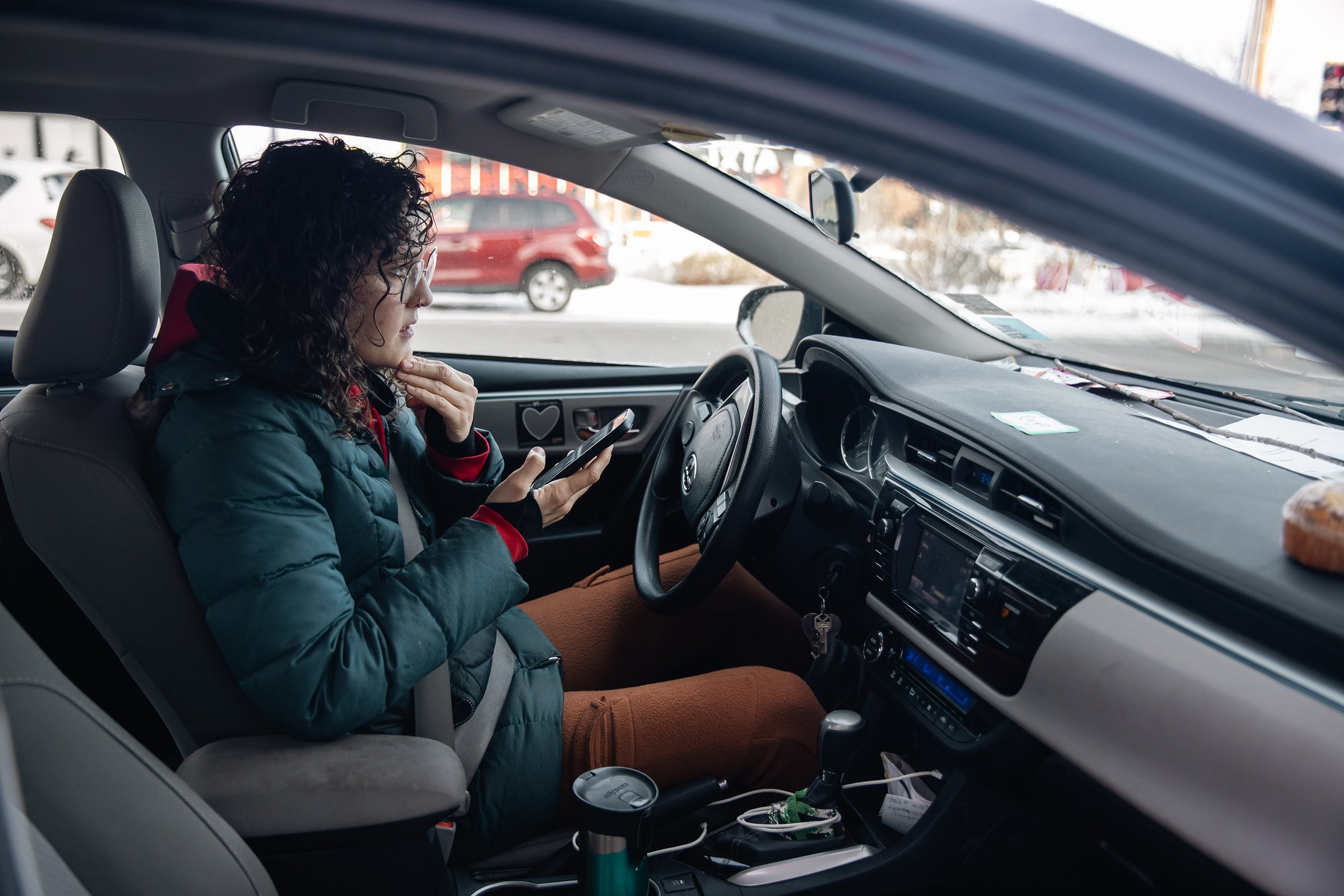
Raye Los checked in with another observer before she began her drive around North Minneapolis. She spends her free time driving around communities documenting ICE activity as a legal observer. Photo by Azhae’la Hanson
Los came to North Minneapolis from a sleepy suburb nearly a decade ago and rejected the comfort she felt was normalized amongst her neighbors with not caring about injustice.
With moving, she settled and became a mother, and adjusted into the role of a healer, working through traumatic events and news primarily through body work, dance and poetry.
One feeling however, remained within her.
That unsettling comfort, which she came to recognize as privilege – the privilege of whether or not to act in times of crises. Knowing that she had the privilege of sitting and watching the news, rather than living it, prompted her to get involved.
“I can't live in the comfort of knowing that I'm safer than other people,” she said. “I don't want comfort anymore. I heard something that said ‘long term peace means short term discomfort’. And what is discomfort for me, is life or death for somebody else.”
She says she was always unsettled by unjust news in headlines, but after seeing ICE’s treatment of people across the country, she changed her quieter approach into something loud.
It’s her first time being involved in advocacy in this capacity, but she said she’d been ‘training’ all year, by having uncomfortable conversations and “running her mouth.”
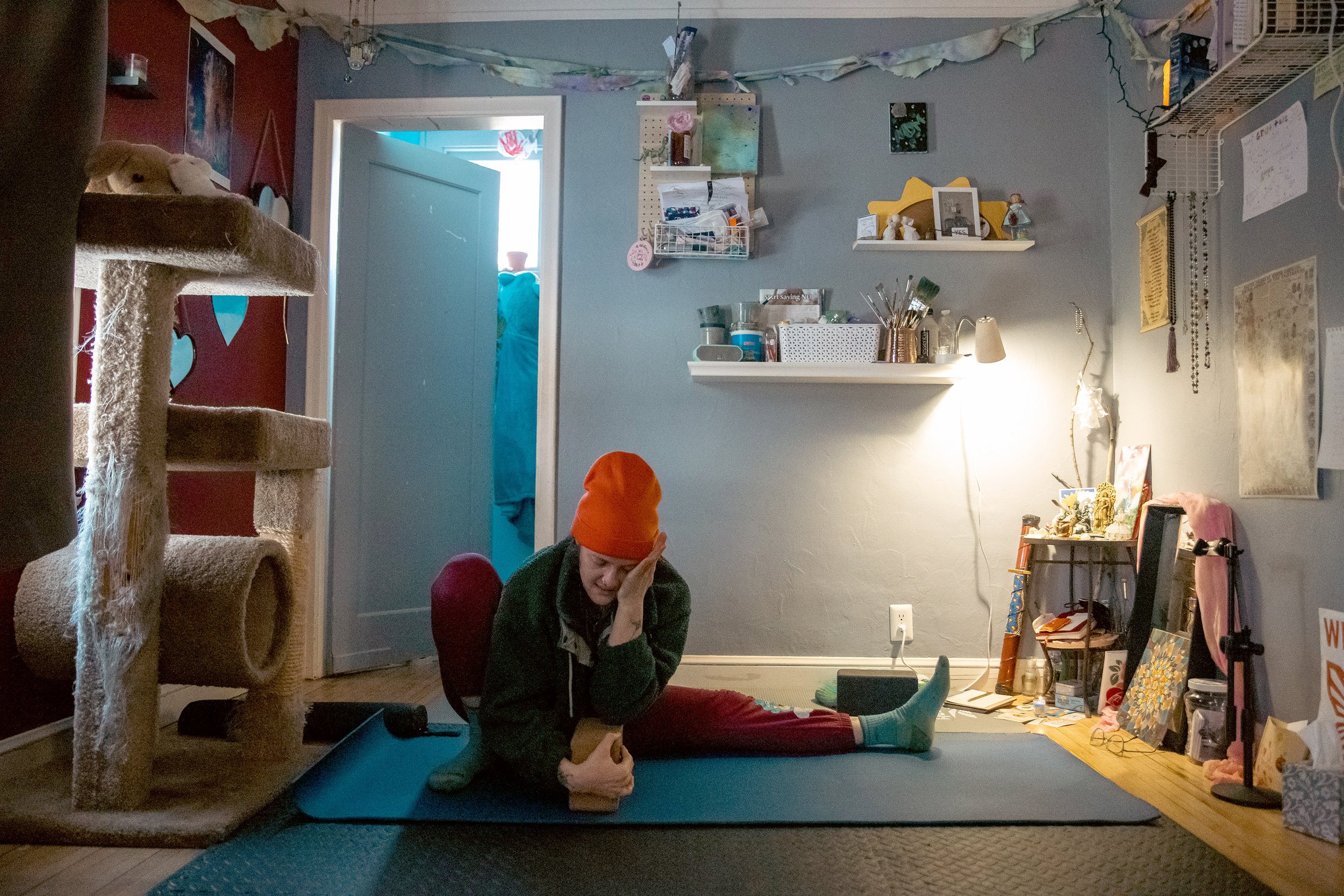
Los stretched in her home and did yoga to release trauma in the body. The day prior, she was detained in ankle cuffs and zip ties at the Whipple Building. Photo by Azhae’la Hanson
Ironically, that would be the reason ICE agents gave for her detainment at a protest at the Whipple building on Jan. 8.
While inside the Whipple building, she said she was zipped tied and her ankles were cuffed. She made eye contact and said hello to all the agents that passed her.
She could hear agents ranting about the Biden Administration and Democrats, calling protestors indoctrinated, amongst others who were detained and crying.
She wasn’t charged and was let go later that evening.
With a few scratches on her knuckles and a sore body. She told North News that much worse has happened to others who may not look like her.
“Everyone is at risk under occupation,” she said. “I just want to empower people to have a place in all of this. Your face does not have to be in the paper. You don't have to be on the front lines up at the police tape. Just be aware of the people around you. Get to know your neighbors.
“Know what your rights are. You have the right to observe.”