
Grocer who lost 1 store post Metro Surge says Northside location is in jeopardy
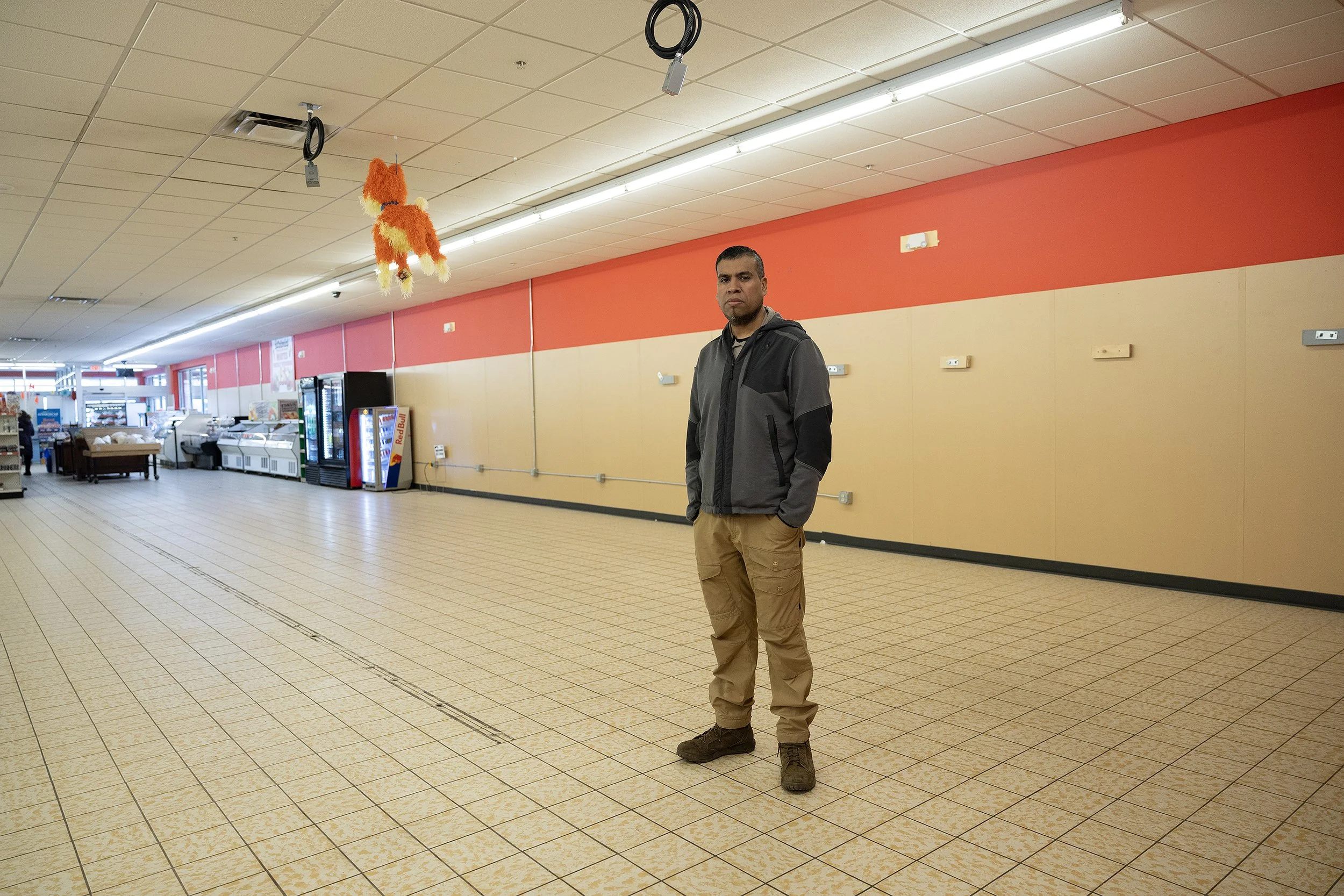
Daniel Hernandez stood in an unused part of his Colonial Market and Restaurant in North Minneapolis in February. He opened the store in early 2025 and was unable to expand in the space as warnings about increased immigration enforcement grew throughout that year. Photo by David Pierini
By David Pierini, Editor
Daniel Hernandez said he is “in a race against time” to keep his Northside grocery store, Colonial Market and Restaurant, open amid crushing economic forces, including the lingering impact of Operation Metro Surge.
Hernandez recently closed his south Minneapolis location after President Trump’s aggressive immigration crackdown, which forced families to stay home in fear of being detained and deported, bled off business. Following the June 14 closing of his south location, Hernandez told Sahan Journal the chain is $500,000 in debt.
With more than 4,000 agents in Minnesota conducting raids in January, many people went into hiding, giving up jobs and relying on emergency food drives to feed their families. Minneapolis city officials say businesses lost $445 million and workers lost $152 million in wages in the short time immigration enforcement peaked in Minneapolis.
State and local lawmakers responded by setting aside money to bail out impacted businesses, but relief is backlogged while officials work on payment details.
“After Metro Surge, everything got harder,” Hernandez told North News. “Sales here (in North Minneapolis) are a little higher than normal, but the toll on the store on Lake Street really shrinks our economy here. Opening a business is expensive; so is closing a business.”
Sales at the Lake Street Colonial Market fell more than 70 percent, he said. He continues to pay four people to get ready to vacate the space. There is also inventory he is still paying for, not to mention utilities, he said.
The cost of closing the Lake Street store has made it difficult to keep up with rent and other costs in North. Early this year, he considered selling personal assets to make payroll. Hernandez recently laid off four workers to reduce costs.
But Metro Surge isn’t the only hit to his business.
Tariffs, a war driving up gas prices, and cuts to federal food assistance are slowing a possible recovery at the Northside store, he said.
Hernandez recently launched a GoFundMe campaign to raise $50,000 to help with rent, payroll and other operating costs.
“We are on a very fine line right now,” he said. “I think this month will be very interesting.”
North Minneapolis is considered the state’s largest food desert, and the Latino grocery store was a welcome addition to a building that had been vacated by Aldi.
The store does not just bring in Latino shoppers. Colonial Market attracts a diverse customer base because people from surrounding blocks live near a store they can walk to.
After Aldi closed, Sierra Buckingham said her family had to take buses to find affordable groceries. Buckingham drives, but her family shops at Colonial Market because she said the prices are reasonable.
“It was a bit stressful when Aldi closed,” said Buckingham, who visited the café at lunchtime Wednesday. The tamales are her favorite. “We were wondering how we were going to ration our budget. We shop here. It has meat for good prices.”
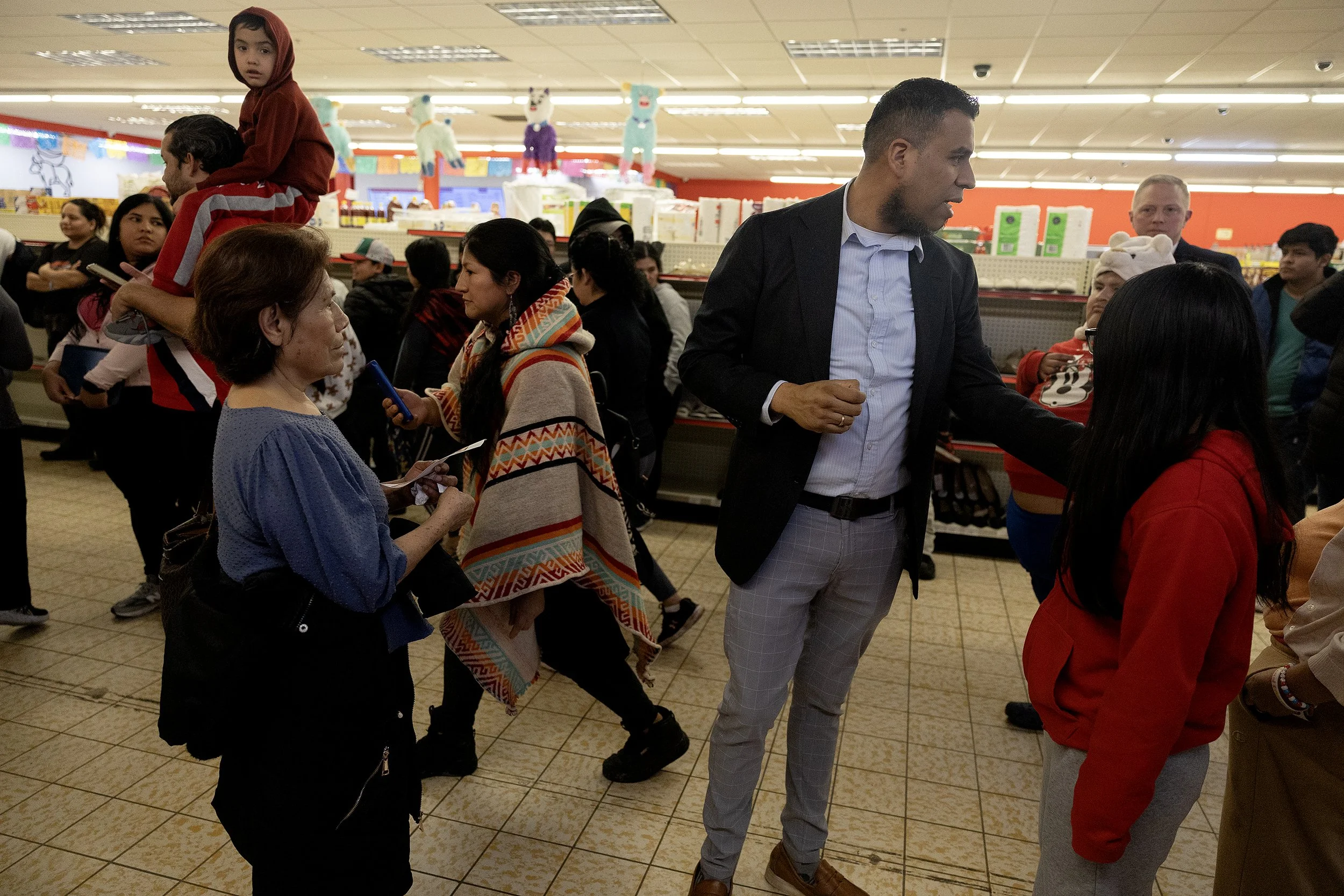
In February, Hernandez helped direct people in his store during a food voucher and rent assistance drive. Photo by David Pierini
Ward 4 City Councilwoman LaTrisha Vetaw said she is working with city officials to help Hernandez keep his store open. Local non-profit organizations, like NEON, are providing technical assistance.
In the short time Colonial Market has been open, it has become an important community hub, Vetaw said. The store has raised money to provide free food and food delivery to families in need and has served as a gathering place for organizations offering clothing and rental assistance.
While the city can help a variety of businesses and non-profit organizations with one-time payments, Vetaw said there’s no mechanism for helping a grocery store.
“We’re trying to figure this out because this is a special place,” she said.